
From the Apothecary: Lemongrass
Bright, citrusy, and uplifting, lemongrass has been cherished in kitchens, gardens, and wellness traditions around the world for generations. Its fresh aroma and versatile nature make it a favorite for teas, culinary creations, home rituals, and seasonal self-care practices. Whether you're already familiar with lemongrass or just beginning to explore the world of herbs, this month's feature offers a simple introduction to ways you can incorporate this vibrant plant into your daily routine. Let's take a closer look at what makes lemongrass such a beloved addition to many herbal traditions.
Lemongrass plant
How to Use Lemongrass
Lemongrass can be used in various forms, including:
Fresh Stalks: Perfect for cooking and making herbal teas.
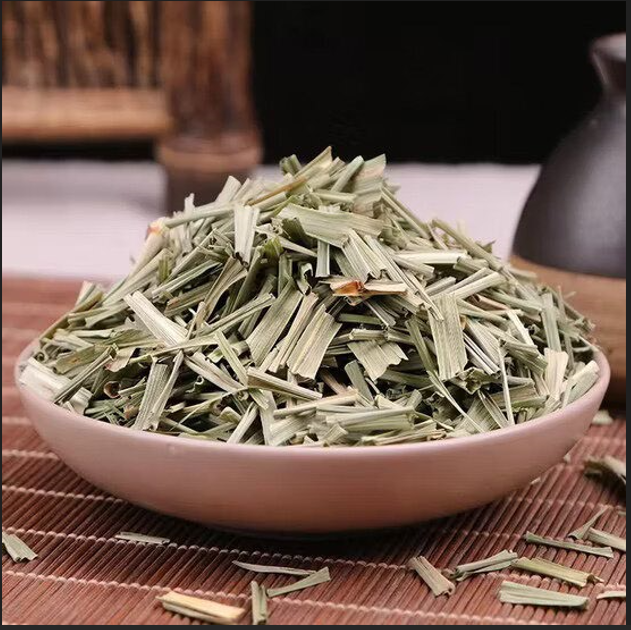
Dried Leaves: Ideal for teas and potpourris.
Essential Oil: Used in aromatherapy and homemade cleaning products.
Powder: Convenient for culinary applications and beauty products.
Preparation Instructions
Cooking: Trim the root end and tough outer leaves. Slice or crush the stalks to release their flavor.
Tea Preparation:
Fresh Tea: Boil 1-2 stalks in water for 5-10 minutes.
Dried Tea: Use 1 tablespoon of dried leaves per cup of boiling water. Steep for 5-7 minutes.
Tea Blend Options
Lemongrass and Ginger Tea: Combine fresh lemongrass stalks with a slice of ginger for a soothing, warming drink.
Lemongrass and Mint Tea: Blend dried lemongrass leaves with fresh mint for a refreshing and invigorating brew.
You can purchase lemongrass on our shop here.
Try our Herb of the Month Subscription Box, featuring Lemongrass!
Things to Consider
Lemongrass is commonly enjoyed as a culinary herb and tea ingredient. As with any herb, individual responses may vary.
Enjoy in moderation as part of a balanced wellness routine.
Perform a patch test before applying lemongrass essential oil to the skin.
If you are pregnant, breastfeeding, have a medical condition, or take prescription medications, consult a qualified healthcare professional before using herbal products.
Discontinue use if irritation or discomfort occurs.
Educational Disclaimer
The information shared by Ancestral Roots Wellness is intended for educational purposes only and is not medical advice. Herbal products and educational materials are not intended to diagnose, treat, cure, or prevent any disease. Always consult your physician or qualified healthcare provider regarding questions about your health or before beginning any new wellness practice.
History of Lemongrass
Lemongrass, or Cymbopogon citratus, is a tropical plant native to Southeast Asia. It has been cultivated for centuries, primarily in India, Sri Lanka, Malaysia, and Thailand. Ancient texts reveal its use in traditional medicine, culinary arts, and spiritual practices. Today, lemongrass continues to be a staple in many households, celebrated for its unique flavor and therapeutic properties.
Benefits of Lemongrass
Lemongrass is not just a culinary delight; it also offers a range of health benefits:
Antioxidant Properties: Helps combat oxidative stress and supports overall well-being.
Anti-inflammatory Effects: May reduce inflammation and ease related symptoms.
Digestive Aid: Known to help soothe the digestive tract and alleviate bloating and discomfort.
Antimicrobial Activity: Can help fight bacteria and fungi, promoting a healthier environment.
Stress Relief: The calming scent of lemongrass is often used in aromatherapy to reduce anxiety and improve mood.
Spiritual Uses of Lemongrass
In addition to its physical benefits, lemongrass is revered in spiritual circles for its:
Cleansing Properties: Used in smudging rituals to cleanse spaces of negative energy.
Enhancement of Intuition: Believed to sharpen intuitive abilities and enhance meditation practices.
Protection: Often used in protective rituals to ward off negative influences.
